BITAC Owners Spring 2026: The Realities of Hotel Ownership Today
From the Hotel Interactive Newsroom | June 8, 2026
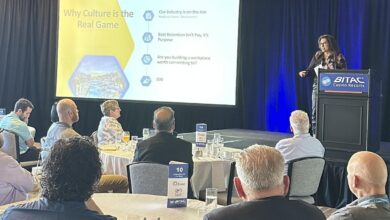
SCOTTSDALE, Ariz. — Hotel owners at the BITAC Owners Spring 2026 event weighed the realities of development, capital, brands, labor and technology during a Day 2 session that often returned to the same point: Hotel ownership still depends on disciplined underwriting, realistic assumptions and the ability to adjust when market conditions change.
The event was held May 17-19 at The Scottsdale Resort in Scottsdale, Ariz. The second day’s session, “The Realities of Hotel Ownership Today,” was moderated by Brent Hayhurst, vice president of program development at Curator Hotel & Resort Collection.
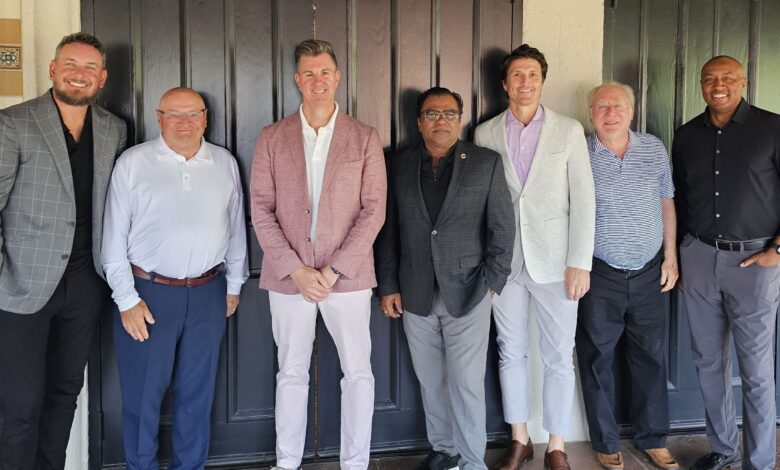
Joining him on stage were:
- Bob Sonnenblick, chairman, Sonnenblick Development, LLC
- Jan Gautam, president and CEO, Interessant Hotels & Resort Management and a founder of LendingCon
- Elliott Estes, principal, Woodmont Lodging
- Chris Eggleton, owner, Newpark Resort
- Doug Collins, chairman and CEO, Hospitality Lodging Systems
Lessons From Past Projects
Hayhurst opened by asking the panelists to discuss a decision they regretted in a past project and what they would do differently today.
Collins said one of his early lessons came from approaching hotel ownership with what he called a “bean counter mentality.” In one repositioning project, he said, the mistake was assuming that improving the property would simply mean selling more rooms at a higher level.
“If you reposition a hotel, and … you want to move it up … it’s not a matter of selling 10 or 20 new rooms,” Collins said. “It’s a matter of getting a whole new clientele.”
Renovations can create similar surprises, he said. A room that receives new carpet and case goods can suddenly make older items look worse by comparison. “Maybe you shouldn’t have done the renovations to start off with,” Collins said.
Gautam’s lesson came from a development project where he relied too heavily on a general contractor without applying closer oversight or modern project management tools — an experience he said cost both money and time.
Sonnenblick offered a stark example of what underestimating government approvals can cost. One hotel development deal took six years from the purchase of beachfront land to the start of construction.
“Don’t make the assumption that you can get approvals through whatever government or city agency that you work with — or permits. Don’t make the assumption that you can get those quickly today,” he advised.
Eggleton said his regret was less about one decision and more about not trusting himself and his team enough early in his career. He said there was pressure 20 years ago to follow outside rankings and checklists rather than listen to the community around the property.
“I think there’s probably [some] regret I have about not giving enough trust to either myself or my team early on,” Eggleton said.
Estes took a different approach to the question, explaining that he does not think in terms of regret as much as learning, referencing Nelson Mandela’s notable quote, “I never lose. I either win or learn.”
“I truly believe that you either win or learn if you have that psychology,” Estes said.
Emerging Technologies and the ROI Test
The discussion then moved to artificial intelligence and technology. Gautam said technology is already affecting hotel operations, from mobile check-in and checkout to payroll, housekeeping and guest service.
“This is what the industry is looking for,” he said. Gautam explained that he has used robotics at one of his hotels for deliveries to guest rooms and saw benefits in ratings and labor efficiency.
Estes said owners should evaluate technology through a payback lens. “When I think about ROI … I want to see a return within two years, like a payback period of two years,” he said. “And if it’s above that, I generally don’t discuss it.”
He said revenue management, STAR reports and labor technology are among the areas where technology can support owner decision-making. But he also cautioned that labor efficiency has to be handled carefully.
“I would really focus on labor technology: finding a way to be thoughtful, compassionate, good partners as owners and as managers of property,” Estes said.
Surviving Downturns
Collins said projects that survive downturns generally start with verified fundamentals. Owners need to understand demand generators, labor availability, cost structure and whether a market can support the proposed average daily rate.
“You can’t build a property based on one big event coming in; you got to make sure that you have a diverse set of demand generators,” Collins said.
He also warned against overbuilding.
“You got to right size your project to the market you’re in,” Collins said.
The more difficult discipline, he added, is knowing when to walk away.
“Don’t be emotional about it,” Collins said. “Ten times out of ten you have a positive feasibility study. I don’t think I’ve ever seen a projection that said you’re going to lose your shirt.”
He continued: “You got to really be for your employees, for your shareholders, for everybody. Don’t let your ego get in the way. If it doesn’t add up, walk away from it.”
Building for a Market, Not Just a Box
Eggleton said Newpark Resort’s history in Park City, Utah, reflects a different kind of risk. The property was developed away from the traditional ski-in, ski-out locations that typically define lodging demand in ski markets. It also required wetlands restoration and a town center concept in an area where the zoning structure had to evolve.
“When you’re getting through early entitlements, and you’re the first one through the wall, that creates some challenge,” Eggleton said.
He said the decision to focus on place-making and community required long-term partners and trust. The project also required patience through a difficult development cycle, including the recession, which he said forced many developers to reassess what could realistically be sustained.
Capital Is Available, but Expensive
Sonnenblick said the current capital environment is not without opportunity, particularly for new construction.
“The supply of money available for new construction for our industry right now, and again I’ve been doing this for almost 40 years, there’s more money flying around, especially out of New York, out of the big funds,” Sonnenblick said. “There’s probably more money today available to fund hotel projects than there’s ever been. That’s the good news. I’ll give you the bad news: It’s more expensive money.”
That higher cost, he said, makes underwriting especially important. Owners cannot rely on optimistic projections if higher interest rates could weaken the economics of a deal.
Gautam agreed that access to capital remains a major issue. He cited the recent increase in SBA 504 and 7(a) lending limits from $5 million to $10 million, but said the higher limits still may not be enough for many hotel projects because development costs have risen so sharply.
He said rooms that once cost about $75,000 per key can now cost several times that amount, depending on the project and brand. For owners, he said, that makes feasibility work essential before committing to development.
“I would rather spend $20,000 before [spending] $20 million,” Gautam said.
The Brand Question
The panel then turned to whether brands are becoming more or less valuable to hotel owners. Collins said the answer is both.
“The brands are valuable, but they’re not needed in every location,” Collins said.
He explained that brands have helped the industry in major ways, including by supporting franchisees, driving direct reservations and providing systems, marketing and training. But he said owners need to evaluate whether a brand is essential in a specific market.
“If you’re on the beach, and you’ve got 80 rooms, and you’re not getting any reservations from your brand website, they’re coming in from the OTAs (online travel agencies) … You probably don’t need a brand,” Collins said.
At the same time, Collins said brands remain important in financing because lenders often view flagged properties as less risky than independent hotels.
“Lending has a lot to do with the brands,” Collins said.
Other panelists said the owner’s analysis has become more complicated as development costs rise and major hotel companies continue to expand their brand portfolios. Estes pointed out that while brand requirements can add value, they also can contribute to higher project costs through required amenities, design standards and other specifications.
For Gautam, that makes independent feasibility work essential. Owners should not rely too heavily on brand projections or incentives, he said. The question is not only whether a brand is well known, but whether that flag makes sense for the specific project, market and capital structure.
Exclusivity has also changed as major hotel companies have added more sub-brands, Sonnenblick said. A flag that once might have given an owner more protection in a market may not provide the same practical separation today.
Newpark had its own experience with branding after more branded luxury properties entered the Park City market, Eggleton said. The company partnered with Destination Hotels, which later became part of Hyatt, giving the ownership group a closer view of the brand model. “There was a lot of value that they brought. In some cases, they brought a lot of weight and cost and expectations that didn’t actually matter in our market,” Eggleton said.
He said brands may be valuable in some locations, but mature resort markets or markets with their own draw may be better suited to independent or repositioned assets.
The broader issue, panelists said, is that brands still provide real value, particularly with lenders and reservation channels, but owners need to be more deliberate about when that value justifies the cost.
Owner-Operators and Long-Term Decisions
Hayhurst asked Eggleton whether owner-operators think differently than institutional ownership groups. Eggleton said they can, in part because they may be able to evaluate returns over a longer period.
He pointed to the pandemic, when Newpark guaranteed and paid wages for its staff during the shutdown.
“That’s a terrible, terrible decision, unless we’re treating our employees like an asset that’s going to appreciate, and we’re going to get return on investment,” Eggleton said.
When Utah’s market returned faster than others, he said, Newpark was ready because its team was still in place.
Estes added: “And that looks like burning money, but it’s not. It’s an investment.”
The session ended with an audience question that tied together the brand and capital discussions. The audience member noted that many owners may be weighing whether they need a brand, while much of the available capital remains tied to major flags.
Sonnenblick acknowledged the challenge.
“But it’s very difficult to get a loan,” Sonnenblick said, “if you don’t have that brand.”
Estes said there are markets where independent hotels can work, including gateway markets and some college towns. But he said brands still provide confidence in financing and transactions.
“If we’re really talking about how you attract money, how you give people confidence in transactions, it’s really bold to follow that advice,” Estes said.
Gautam offered the counterpoint, saying independent and lifestyle concepts can still work when owners have the right systems, marketing and location to support them. The exchange reinforced the session’s broader theme: Owners need to weigh the value of independence against the financing advantages and market confidence that established brands can provide.
***
Interested in speaking at a future event? To learn more about speaking opportunities, connect with the BITAC team here.
Follow BITAC Events on LinkedIn, Instagram and TikTok for event updates and highlights.