BITAC Food & Beverage 2026: Partnering with Vendors on Menu Innovation, Technology and Design
By Jacqui Barrineau | March 4, 2026
Senior living dining is often overlooked in broader hospitality conversations, but during a recent session at BITAC Food & Beverage 2026, two executives explored how vendor partnerships are central to the success of this segment that is rapidly evolving.
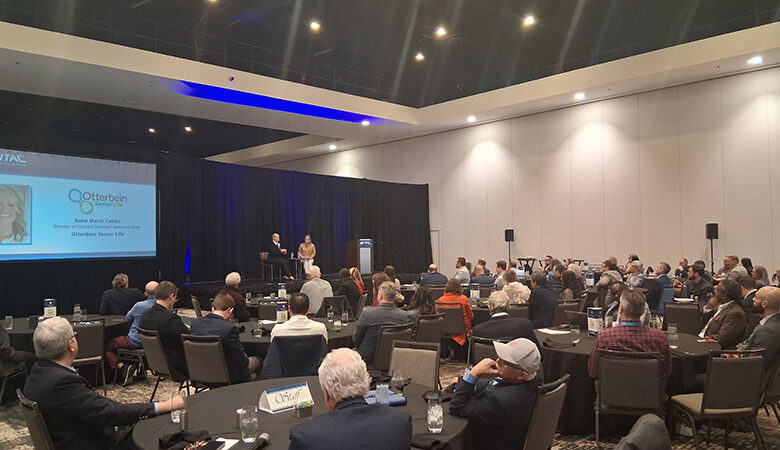
Chef Laureen Herzig, founding partner and CEO of crEATe Culinary Solutions, and Anne Marie Cohen, director and executive chef at Otterbein Senior Life, sat down for a what Herzig called a “Coffee Talk” to discuss how operators are collaborating with suppliers and solution providers to drive menu innovation, integrate technology and rethink design in senior living communities.
Herzig, who entered the senior living sector in 2022 after decades in airline, sports and manufacturing foodservice, shared that her own perception of the segment has shifted dramatically over the past five years.
“I said, ‘I know nothing about it,’ ” she recalled of her move into the senior living market. “And my team said, ‘We don’t want you to know about it — we want it to become hospitality.’ ”
From there, the two executives focused their discussion on how vendor partnerships are helping to redefine the senior living experience with a hospitality-first approach.
Redefining the Dining Experience
At Otterbein Senior Life — a 33-location organization with a flagship campus serving nearly 1,000 residents — Cohen has spent two decades examining how resident expectations change.
“When I began, it was more about the lazy Susans on the table,” Cohen said. “Pot roast and biscuits and gravy.” Today, she says, residents expect something closer to a resort-style dining experience.
To achieve that elevated resident experience at Otterbein, Cohen closely collaborates with vendor partners to introduce new concepts and reimagine menus. Cohen says one of the most successful dining programs includes six hibachi grills.
In addition to the hibachi grills on each floor, Otterbein has a marble-topped presentation station in its main dining room. Residents can reserve seats through an app and enjoy a five-course meal — complete with wine service — that is built into their meal plan. Menus include Asian-inspired dishes and Mexican and French cuisine, depending on the theme.
The program has generated sustained demand among the residents.
“I’m booked out for the entire month,” Cohen said. “It fills up before I even put the menu out.”
“You’ve created something that they want to buy into,” Herzig added. Beyond the theatrical appeal, the concept illustrates how operators are working with equipment suppliers and food partners to create buzz and elevate perceived value without dramatically increasing costs.
Giving Residents a Voice
Vendor collaboration also plays a role in expanding resident choice and encouraging culinary experimentation.
Cohen described hosting multiple food shows throughout the year, where vendors present new products and prepare sample dishes for residents to taste and vote on. Winning items are then incorporated into menus or placed in retail coolers.
“We can’t just guess what the residents want,” she said. “We want them to actually have a choice.”
Incorporating residents’ feedback has helped introduce new dishes and ingredients, such as quinoa bowls and fresh bok choy harvested from the community’s micro-garden program, that might otherwise have met resistance if they had simply appeared on the menu.
The micro-garden initiative itself was another example of partnership-driven innovation. Residents participated in harvesting and packaging produce, which was then sold in on-site retail units. The program supported both wellness goals and resident engagement.
Herzig emphasized that these types of collaborations shift vendors from transactional suppliers to strategic partners.
“We rely on our vendor partners,” she said. “I call them ‘partners’ because I need to know what they’re seeing in other venues. If I’m not seeing it on my own, I need to know what they’re seeing.”
Technology and 24-Hour Access
As resident expectations have evolved, so have operational demands. Herzig and Cohen addressed the need for flexible, technology-enabled food access.
At Otterbein, Cohen says, smart refrigeration units allow residents and staff to access freshly prepared meals at any time using account-based scanning systems. The technology supports overnight admissions, late-night hunger and 12-hour nursing shifts.
Herzig noted that even terminology matters. She recalled how she renamed a ready-to-eat concept “Fresh and Ready” after residents said they associated “grab and go” with the pre-packaged food at airport kiosks.
Although renaming the concept seemed like a small adjustment, it was an example of the importance of aligning food offering and technology with core hospitality principles.
Designing for Function and Hospitality
Vendor partnerships extend to the areas of kitchen design and equipment planning, two areas where early vendor involvement can make or break operational success.
Herzig recalled instances where kitchens were designed before the culinary teams were consulted.
“They would say, ‘We’ve already designed the kitchen,’ ” she said. “And I would ask, ‘Based on what? What are we going to be serving?’ ”
Herzig and Cohen emphasized the importance of selecting equipment that supports the intended dining concept rather than forcing menus to fit preselected layouts. When integrated early, a vendor’s expertise can help ensure the design will meet long-term operational needs.
Cohen added that many communities are operating with aging or outdated equipment and must carefully evaluate replacements when deciding to upgrade. She said selecting the right replacement piece requires understanding the equipment’s durability and how the piece will support evolving service models, such as exhibition cooking, buffet enhancements or made-to-order stations.
Investing in Culinary Teams
Cultivating vendor partnerships can also be important to a team’s workforce development.
Cohen says she sends chefs and sous chefs to food shows and vendor-hosted competitions, where they test new equipment and gather ideas to bring back to their communities.
“You would be shocked at the ideas your team can come back with,” she said.
Empowering staff, promoting from within and providing consistent training are central to maintaining quality and retention, Cohen says. She noted that many of her culinary team members had remained with the organization for years.
“Giving them an opportunity to be part of something bigger … proactively trying to train people and bring them up with you” builds loyalty and hard work, she said. “Give people a foundation so that they can move forward.”
Herzig added that empowering culinary teams strengthens hospitality systems because the entire team, including dishwashers, hosts and executive chefs, contributes to the resident experience.
Hospitality at the Core
As the session concluded, Herzig returned to a broader philosophy, quoting Chef Kelly English: “Hospitality is the tenacity to stay human in a business that often forgets how.”
Vendor partnerships in senior living extend beyond menu innovation, smart technologies and thoughtful design, and ultimately serve a larger purpose: enhancing the human experience.
As senior living continues to grow as a hospitality segment, it requires the same creativity, strategic collaboration, and operational rigor found in hotels and restaurants, with an added responsibility to serve residents as they enter the next chapter of their lives.






Get involved!
Comments